Two Years, Five Courses,
and Japan’s Greatest Sake
· 19th · 20th · 21st August 2026
· Three evenings only
· Five courses
· Dassai pairing
Two years ago,
We opened the doors of Fleur de Mizu with a simple ambition: to cook French food with a Japanese soul — and to make every table feel like somewhere you’d want to linger.
A lot has happened since then. We’ve had the pleasure of cooking for thousands of guests, celebrating birthdays, anniversaries, proposals, and ordinary Thursdays made a little more special. We’ve grown our team, refined our menus, and learned a great deal about what it means to cook at the meeting point of two great culinary traditions.
For our first anniversary, we marked the occasion with a sake dinner featuring Ippongi and Endo brewery — two historic producers rooted in Japan’s deepest sake-making traditions. This year, for our second, we wanted to take things a step further. We went looking for the sake that could match where we are now — and we kept arriving at the same answer: Dassai.
“Making sake is making dreams — opening a new era of sake.”
That is Dassai’s guiding philosophy, and it resonated with us immediately. It sounds a lot like what we try to do in our kitchen every day: not being precious about tradition for its own sake, but using it as a foundation to build something new.
Why Dassai?
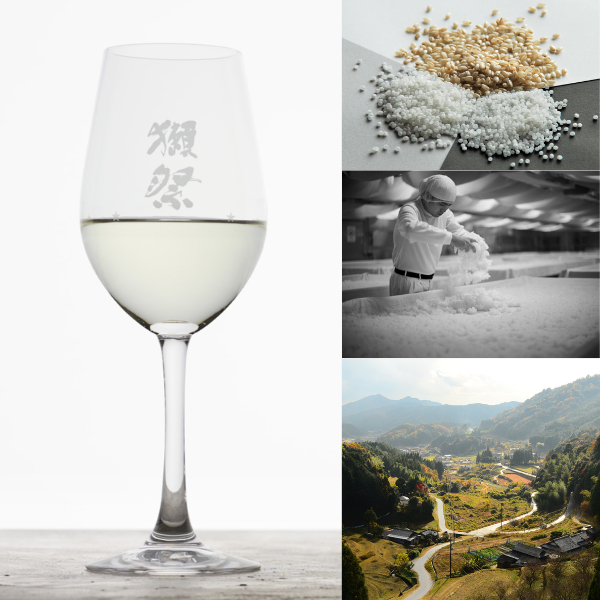
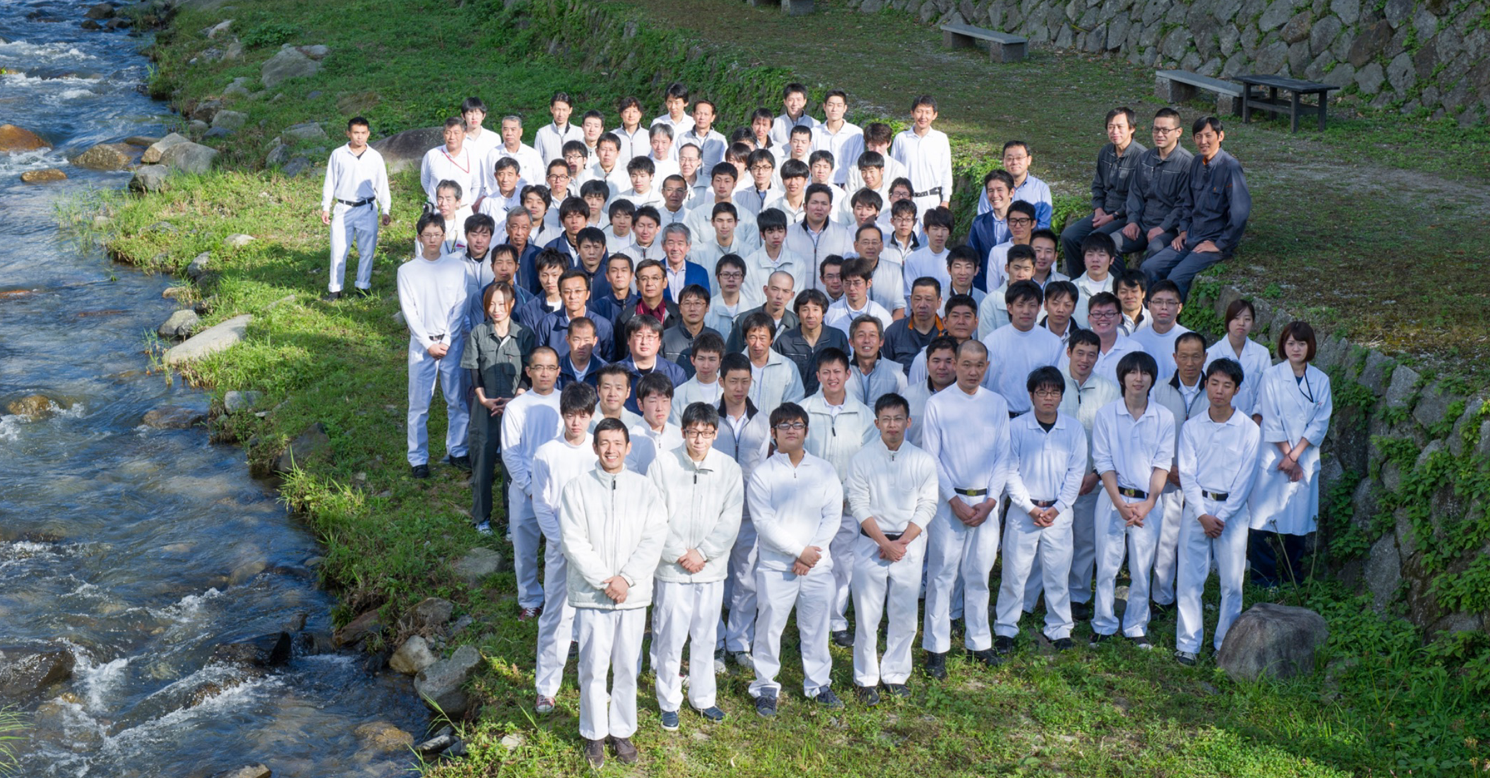
Dassai is produced by Asahi Shuzo in Yamaguchi Prefecture, Japan. The name means “otter festival” — drawn from the rivers of the region where otters were once seen spreading their catch along the bank as if putting on a display. It was also the penname of Masaoka Shiki, the poet who revolutionised Japanese literature during the Meiji era. That spirit of revolution runs through everything the brewery does.
The brand barely existed before 1990. Since then, it has grown to become arguably the most famous sake in the world — not through heritage or volume, but through relentless pursuit of quality. Their entire range is Junmai Daiginjo, the highest classification of sake, brewed exclusively with Yamadanishiki, the most prized sake rice in Japan.
In 2015, Dassai 23 became the first sake ever served at a White House state dinner — chosen by President Obama to surprise Prime Minister Shinzo Abe. Abe himself had already been presenting Dassai as a diplomatic gift to world leaders for years, including to French President François Hollande in 2013. And legendary French chef Joël Robuchon loved it so much he collaborated with the brewery to open a Dassai storefront in Paris.
For a French-Japanese restaurant like ours, that history felt like a sign. A sake already beloved by the greatest French chef of his generation, gifted to the French president by Japan’s prime minister — it seemed made for an evening like this one.
What makes Dassai different
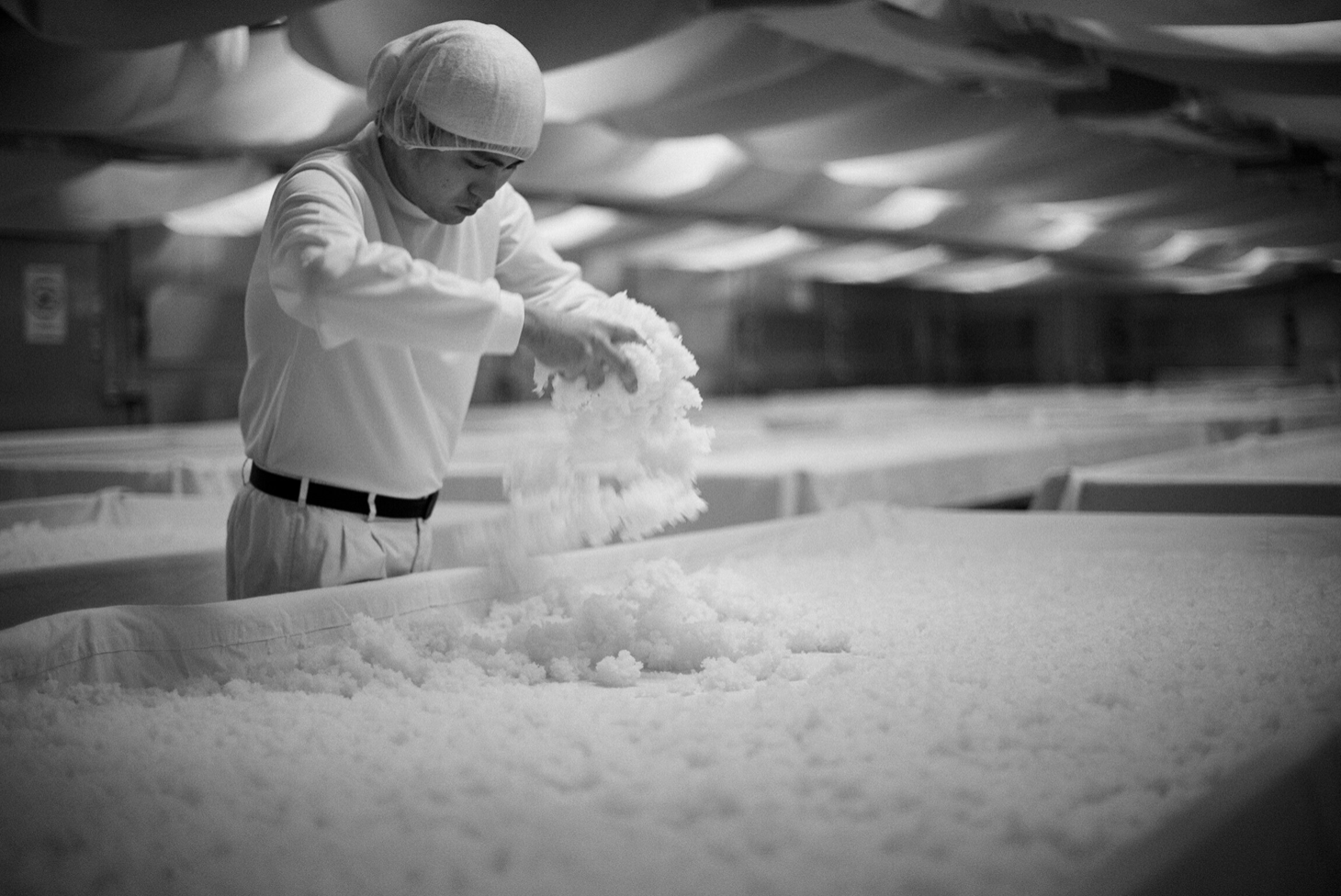
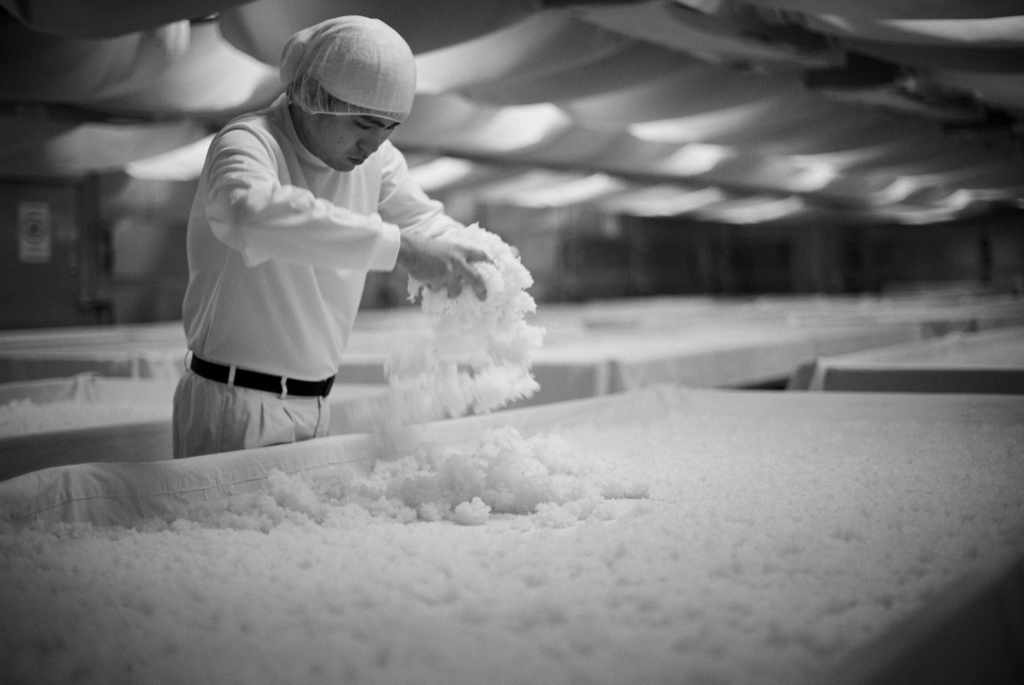
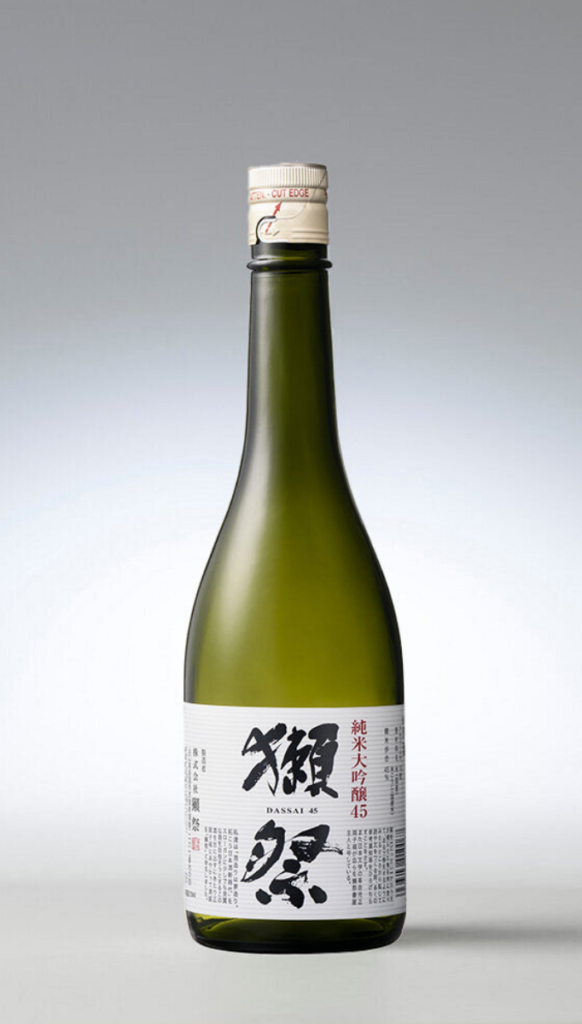
The numbers on each bottle — 45, 39, 23 — refer to how much of each rice grain remains after polishing. The lower the number, the more has been removed, leaving only the purest starch core. The 23 retains just 23% of the original grain. Getting there takes 168 continuous hours of milling — seven days and nights — and even then, not every tank makes the cut. Any batch that falls short of their expectations is downgraded, no exceptions.
Dassai 45
Tropical · Fruity · Umami
The perfect introduction to the Dassai range.
Dassai 39
Fresh · Elegant · Versatile
A beautifully balanced sake created for food pairing.
Dassai 23
Floral · Refined · Iconic
The pinnacle of Dassai craftsmanship, polished for 168 hours.
This evening, we’re showcasing three of Dassai’s core expressions — 45, 39 and 23 — each poured alongside its own course. For two courses, we’ve gone a step further: building bespoke cocktails in-house, using Dassai itself as the base spirit, married with French and Japanese ingredients in equal measure. It felt like a fitting way to bring our own bar craft into the collaboration.
Five courses, three evenings
The menu was built in close conversation with the sake — each course worked backwards from the pairing, asking what would taste best alongside this particular glass. The result is a menu that feels very much like us: French at its core, with Japanese precision and restraint running through every detail.
Spanner Crab Vol au Vent
Crab thermidor · bisque foam · Oscietra caviar
Fruity and almost tropical on entry, the Dassai 45 finishes on a deep umami note with a mineral saltiness that echoes the caviar and brings the bisque into sharp focus.
Champignons Farcis au Fromage et Charcuterie
Fresh truffle · foie gras · saucisson sec · fromage blanc · port gel
Our Champagne moment, with a Japanese soul. La Loutre Royale marries Dassai 45 with French Varichon Blanc de Blancs and a touch of yuzu liqueur — a sparkling cocktail with the lift and brightness to match the truffle and foie gras.
Coquilles Saint-Jacques & Homard aux Morilles
Seared scallops · lobster medallion · green asparagus · morel cream · tomato concassé · chervil
The heart of the evening. Honeyed and floral, the Dassai 23’s flinty mineral edge pairs beautifully with the sear on the scallop and the earthiness of the morels.
Steak au Poivre
Beef tenderloin MB+4 grain fed · pomme purée · carrot glacé · watercress · peppercorn sauce
Bright and lively, the Dassai 39’s clean fruitiness cuts through the richness of the sauce and the butter in the purée — keeping each bite as good as the first.
Un Éclair à la Fraise et à la Pistache
Strawberry jam · pistachio cream mousseline · strawberry glacé · white chocolate ice cream
L’Amande de Ume plays on the marzipan-like nuttiness of the pistachio: Dassai 39, almond liqueur and Korean plum syrup, finished with a silky, cloud-like foam. A vibrant, playful close to the evening.
19th, 20th & 21st August 2026 · Tables are limited across all three evenings.
The sake pairing is optional and can be added at the time of booking.
Book a table